
Procedures
Fat transfer (lipofilling, autologous fat grafting) uses a patient’s own adipose tissue to restore or augment volume in the face, breasts, buttocks or hands. Fat is harvested by gentle liposuction, processed, and re-injected through fine cannulas. Because the graft is autologous, rejection is not a concern, and contours can be refined at the same time as donor-site reshaping.
What Is Fat Transfer / Lipofilling?
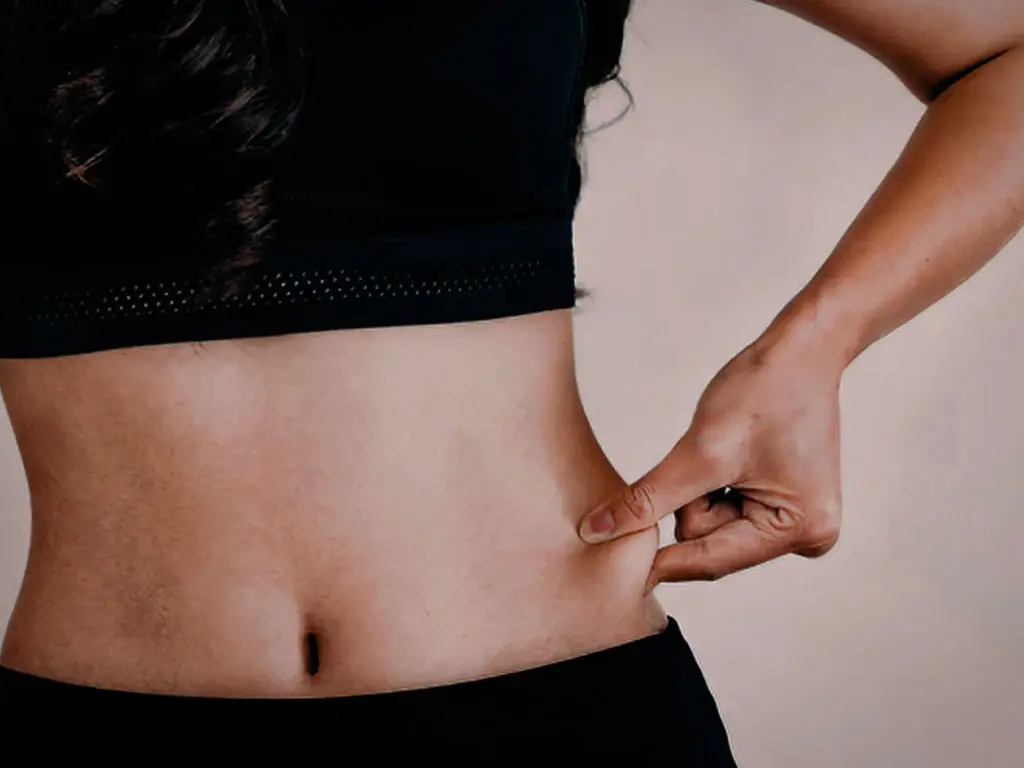
Fat transfer — also called lipofilling, autologous fat grafting, or lipofilling transplantation — is a plastic surgery technique in which adipose tissue is harvested from one area of the body (typically the abdomen, flanks, thighs, or hips), purified, and re-injected as a soft-tissue filler into another region that needs volume restoration or augmentation. Because the graft comes from the patient’s own body, it is biocompatible and carries no risk of allergic rejection, unlike synthetic fillers or implants.
The core principle is that a portion of the transferred fat establishes a new blood supply (neovascularization) at the recipient site and survives long-term as living tissue. The remaining fat is absorbed by the body during the first 3-6 months. Published meta-analyses report long-term fat survival in the range of approximately 40-80% depending on anatomical region, harvesting method, processing technique, and injection protocol (Gir et al., Plastic and Reconstructive Surgery, 2012; Strong et al., PRS Global Open, 2015). Because of partial resorption, touch-up sessions are sometimes planned.
Fat grafting has become one of the most widely performed procedures in plastic surgery, endorsed by the American Society of Plastic Surgeons (ASPS) and the International Society of Aesthetic Plastic Surgery (ISAPS) for a range of reconstructive and aesthetic indications. It can be used on its own or combined with liposuction body contouring, breast reconstruction, or facial rejuvenation procedures.
Symptoms / Indications
Fat transfer may be considered when a patient presents with, or seeks correction of, one or more of the following:
- Age-related facial volume loss (sunken cheeks, temporal hollowing, tear-trough depressions, thin lips, marionette lines)
- Loss of breast volume after pregnancy, weight loss, or aging; mild breast asymmetry; desire for modest augmentation without implants
- Post-lumpectomy or post-mastectomy defects requiring volume and contour correction (as part of a reconstructive plan)
- Flat, deflated, or asymmetric gluteal contour where the patient wishes a fuller, more projected buttock shape (BBL candidates)
- Depressed or adherent scars (post-traumatic, post-surgical, post-acne) where subcutaneous fill improves contour and scar quality
- Volume loss in the dorsum of the hand exposing tendons and veins (hand rejuvenation)
- Contour irregularities following prior liposuction or injury
- Congenital or acquired asymmetries where structural correction is not required
A surgical consultation assesses donor-site fat availability, recipient-site tissue quality, skin elasticity, BMI stability, and general health. Patients with very low body fat, unstable weight, active smoking, uncontrolled diabetes, or bleeding disorders may not be suitable candidates or may require preoperative optimization.
The Procedure
Fat transfer is performed in three sequential stages — harvest, processing, and re-injection — during the same operative session.
1. Harvest. The donor area (abdomen, flanks, inner or outer thighs, hips, or back) is infiltrated with a tumescent solution containing diluted local anesthetic and adrenaline to minimize bleeding. Fat is then aspirated using low-pressure liposuction through small cannulas (typically 2-4 mm in diameter). Low-negative-pressure technique and small-bore cannulas are preferred because excessive suction pressure damages adipocytes and reduces graft survival (Coleman technique and subsequent refinements).
2. Processing. The harvested lipoaspirate contains fat, blood, oil, and tumescent fluid. Before re-injection, it is purified using one or a combination of:
- Decantation (gravity separation)
- Centrifugation (commonly at approximately 1,200 g / 3 minutes, per the Coleman protocol)
- Washing/filtration systems that rinse the fat with saline and remove debris
3. Re-injection. The purified fat is transferred into small-gauge blunt-tip cannulas (typically 1-2 mm) and injected as micro-parcels along multiple tunnels and tissue planes. The “small aliquot, multi-pass” principle maximizes contact between grafted fat and surrounding vascularized tissue, improving survival. Typical volumes range from approximately 5-15 mL per side for facial fat grafting, 150-400 mL per breast, and 300-800+ mL per buttock in BBL cases.
Anesthesia depends on the extent of the procedure. Small-volume facial or hand grafting can be performed under local anesthesia with sedation; breast lipofilling, BBL, and combined liposuction-plus-transfer cases are typically performed under general or regional anesthesia. Operative time ranges from approximately 1 hour for an isolated facial procedure to 3-4 hours for a large combined liposuction-plus-BBL case. Most cases are same-day discharge or a single overnight stay.
Available Package Tiers
Facial Fat Grafting
Micro-volume lipofilling to restore age-related loss in the midface, temples, tear troughs, nasolabial folds, chin, and lips. Typically 5-30 mL total. Often performed with local anesthesia and sedation, and may be combined with blepharoplasty or a facelift for complete facial rejuvenation.
Breast Lipofilling (Autologous Breast Augmentation)
Implant-free volume augmentation or correction of mild asymmetry using the patient’s own fat. Typical volumes are 150-400 mL per breast per session; one or two sessions may be needed depending on skin envelope and desired size. Also used to improve contour around existing implants or after lumpectomy.
Brazilian Butt Lift (BBL) — Gluteal Fat Grafting
Transfer of fat (typically 300-800+ mL per side) harvested from the abdomen, flanks, and thighs into the gluteal region to reshape and project the buttock. Contemporary practice follows the Multi-Society Gluteal Fat Grafting Task Force / MASS-BSAS safety protocol: injection is kept strictly in the subcutaneous plane, cannulas are held parallel to the skin, and injection into or deep to the gluteal muscle is avoided to reduce the risk of fat embolism.
Hand Rejuvenation
Small-volume lipofilling (approximately 10-20 mL per hand) into the dorsum of the hand to restore soft-tissue padding over tendons and veins, giving a smoother and younger appearance. Frequently combined with facial fat grafting.
Combined Liposuction Contouring + Fat Transfer
Single-stage body contouring in which liposuction reshapes the abdomen, flanks, thighs, or back and the aspirated fat is simultaneously re-injected into the breasts, buttocks, or hips. This tier suits patients who want both donor-site reduction and recipient-site enhancement in one operative session.
Recovery & Aftercare
Recovery has two parallel components: the donor (liposuction) site and the recipient (grafted) site. Bruising and swelling are expected at both, peaking within the first 3-5 days and settling substantially over 2-4 weeks. The final graft volume is typically assessed at 3-6 months, once resorption has stabilized.
- Compression garment: worn over the donor area for approximately 4-6 weeks to reduce swelling and support skin retraction
- No pressure on grafted areas: grafted fat needs an undisturbed recipient bed to establish a blood supply; direct pressure, massage, or heat can compromise survival
- For BBL specifically: patients are asked to avoid sitting directly on the buttocks for approximately 2-3 weeks (or to use a “BBL pillow” that offloads weight to the posterior thighs); sleeping on the stomach or side is recommended
- For facial grafting: sleep with the head elevated for the first week; avoid pressure from masks, tight hats, or side-sleeping on the grafted cheek
- Return to work: approximately 5-10 days for facial or hand grafting, 10-14 days for breast lipofilling, and 2-3 weeks for BBL, depending on the physical demands of the job
- Return to exercise: light walking from day 1-2; cardio at approximately 3-4 weeks; full strength training and contact sports at approximately 6 weeks
- Weight stability: maintaining a stable weight for at least 6 months protects the grafted volume, since surviving fat cells behave like native fat and respond to weight gain or loss
Smoking cessation for at least 4 weeks before and after surgery is strongly recommended, as nicotine impairs microcirculation and reduces graft survival. Post-operative follow-up visits typically occur at 1 week, 1 month, 3 months, and 6 months.
Possible Risks & Complications
Fat grafting is generally considered a safe procedure in appropriately selected patients, but — like all surgery — it carries risks. Rates below are reported in peer-reviewed literature and society guidance; individual risk depends on anatomy, volume grafted, and surgical protocol.
Common, generally self-limiting:
- Bruising, swelling, and temporary numbness at donor and recipient sites (expected in nearly all cases)
- Partial resorption of grafted fat: long-term fat survival is approximately 40-80% depending on region and technique (Gir et al., 2012; Strong et al., 2015). Touch-up sessions may be planned
- Donor-site contour irregularity if liposuction is uneven
Less common:
- Fat necrosis (localized firm nodules where grafted fat did not survive): reported in approximately 3-10% of breast and BBL cases in meta-analyses
- Oil cysts (liquefied fat forming a small cyst; usually resolves or is aspirated): approximately 2-15% in breast lipofilling series
- Calcifications in breast lipofilling — typically benign “eggshell” or ring-type on mammography, but requiring experienced radiological interpretation to distinguish from malignancy-related microcalcifications (ASPS Fat Graft Task Force, 2009 and subsequent statements)
- Infection, seroma, or hematoma at donor or recipient site (<1-3%)
- Asymmetry or under-correction requiring revision
- Venous thromboembolism (DVT / pulmonary embolism): low but non-zero, particularly in longer combined cases
BBL-specific: fat embolism. Gluteal fat grafting has historically carried the highest mortality of any cosmetic procedure when fat is injected deep to, or into, the gluteal muscle, because fat can enter the gluteal veins and travel to the lungs and heart (macroscopic fat embolism). A 2017 international survey by the ASPS/ASERF Gluteal Fat Grafting Task Force reported a mortality rate of approximately 1 in 3,000 BBL procedures in that historical cohort, the highest of any aesthetic operation (Mofid et al., Aesthetic Surgery Journal, 2017).
In response, the Multi-Society Gluteal Fat Grafting Task Force (ASPS, ASERF, ASAPS, ISAPS, IFATS) issued formal safety advisories in 2018 and updated statements thereafter. The core protocol:
- Inject fat strictly into the subcutaneous plane — never into or beneath the gluteal muscle
- Hold the cannula parallel to the skin and maintain a consistent superficial angle
- Use larger-bore (e.g., ≥4 mm), rigid cannulas to reduce deep migration
- Consider real-time intraoperative ultrasound guidance to confirm subcutaneous injection plane
- Avoid aggressive multi-directional deep passes
Follow-up studies after the 2018 advisory and subsequent ultrasound-guided protocols have reported a significant reduction in BBL fat-embolism mortality in compliant practices (e.g., Cansancao et al., PRS Global Open, 2019; Del Vecchio et al., Aesthetic Surgery Journal, 2020). Confirming that the surgeon follows the current Task Force subcutaneous-only protocol — and operates in an accredited facility — is therefore central to BBL safety.
Patients should discuss their personal risk profile, comorbidities, medication list (especially anticoagulants), and smoking status with the surgical team during the preoperative consultation.
Frequently Asked Questions
How much of the fat survives long-term?
Published meta-analyses report long-term fat survival in the approximate range of 40-80%, depending on the anatomical region, the harvesting and processing technique, and the recipient tissue quality (Gir et al., 2012; Strong et al., 2015). The most active resorption occurs in the first 3-6 months; the volume that remains at 6-12 months is usually stable long-term, behaving like native fat (it can gain or lose volume if the patient’s body weight changes significantly).
Can fat transfer replace implants?
In the breast, fat grafting can deliver a natural-feeling, implant-free result with a modest increase in size (commonly up to one cup per session) provided the patient has enough donor fat. It cannot match the degree of projection or upper-pole fullness achievable with a silicone implant, and it typically requires one or two sessions to reach the desired volume. For the buttock, fat grafting (BBL) is the main volumizing option; gluteal implants carry their own higher complication profile. A surgical consultation is the right forum to weigh implants versus fat for a given anatomy.
Is BBL safe?
BBL has historically had the highest mortality of any cosmetic procedure, driven by macroscopic fat embolism when fat was injected into or under the gluteal muscle — an estimated mortality of approximately 1 in 3,000 procedures in the 2017 ASPS/ASERF survey. Since the 2018 Multi-Society Gluteal Fat Grafting Task Force advisory, the recommended protocol is strictly subcutaneous injection with the cannula parallel to the skin, ideally with intraoperative ultrasound guidance. Practices that follow this protocol and operate in an accredited facility have reported a significant reduction in fat-embolism mortality. The procedure should only be performed by a board-certified plastic surgeon who explicitly follows the current Task Force safety protocol.
How many treatments are needed?
Small-volume areas (face, hands) are commonly completed in a single session. Larger-volume areas (breast, buttock) may be completed in one session for modest goals or split into two sessions spaced approximately 3-6 months apart when the targeted volume exceeds what can be safely grafted at once, or when maximizing graft survival is a priority. The exact plan is set in consultation based on anatomy and goals.
Can I combine fat transfer with liposuction?
Yes — in fact, this is the most common configuration. Liposuction of the abdomen, flanks, thighs, hips, or back supplies the fat that is then re-injected into the recipient area (breast, buttock, face, hands). A single operative session can therefore reshape the donor contour and augment the recipient area simultaneously. Suitability depends on available donor fat, recipient-tissue quality, overall fitness for a longer operation, and the volume being moved.
Categories
Service Tags
Asklepieia Reviews (0)
Only guests who have booked can leave a review.
Procedures in Detail:
Distinct Systems in all Procedures included in this service:
G - Genital System, L - Musculoskeletal, S - Skin
Distinct possible Symptoms in all Procedures included in this service:
- GS28 Other specified breast symptoms or complaints
- LS19 Muscle symptom or complaint
- SS01 Pain or tenderness of skin
- SS03 Lump or swelling of skin localized
Distinct possible Diagnoses in all Procedures included in this service:
- AD36 Other specified and unknown trauma and injury
- GD27 Malignant neoplasms of breast
- GD30 Benign neoplasms of breast
- SD38 Other specified or unknown skin injury

